Partial Practically Total Lunar Eclipse
Live online broadcast (public viewing event CANCELED) from Griffith Observatory, Los Angeles, CA | August 27-28, 2026
Upcoming Eclipse Events at Griffith Observatory
VISITOR NOTICE: Public observing event described below for this evening has been canceled.
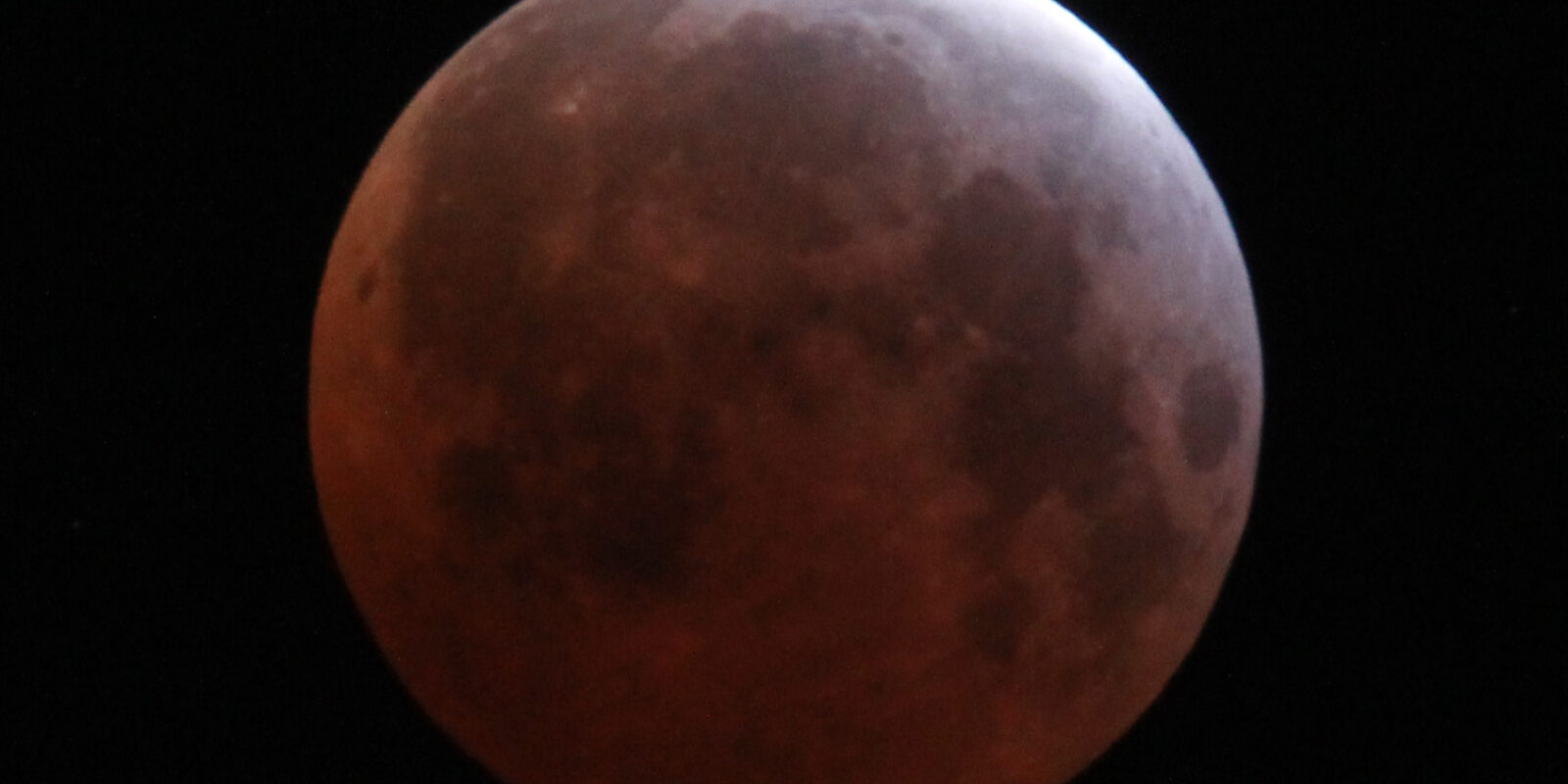
On the evening of August 27 into the early morning of August 28, there will be a partial practically total lunar eclipse visible from Los Angeles.
Griffith Observatory will host a live online eclipse broadcast from 7:25 p.m. to 12:05 a.m., PDT, weather permitting. The Observatory grounds will also be open for onsite public viewing of the partial lunar eclipse from 7:25 p.m. to 11:00 p.m. The building will close, as usual, at 10:00 p.m., but restrooms on the grounds will be accessible until 11:00 p.m.
If you do visit the Observatory, expect very large crowds, with limited parking and congested roads. Parking by the Observatory has an hourly fee. The DASH Observatory/Los Feliz bus will be running from the Vermont/Sunset Metro Red Line station. The last bus of that evening leaves the Observatory at 11:00 p.m. No lawn chairs, coolers, tripods, or other large items are permitted on the lawn or terraces. For more information, see the Getting Here page on our website.
PLEASE NOTE: There is a Greek Theatre show on August 27 at 7:30 p.m. That means parking will be extremely limited in and around the Observatory, and heavy vehicle congestion to/from the Observatory is likely.
If skies are clear, the eclipse should be visible to the unaided eye from anywhere in southern California. It is safe to view a lunar eclipse without any eye protection. You do not need a telescope to see a lunar eclipse. Just go outside and look up to the southeast.
A time-lapse version of the Observatory’s lunar eclipse feed should be available from Griffith Observatory’s YouTube Channel at 8:00 a.m., PDT, on August 28.
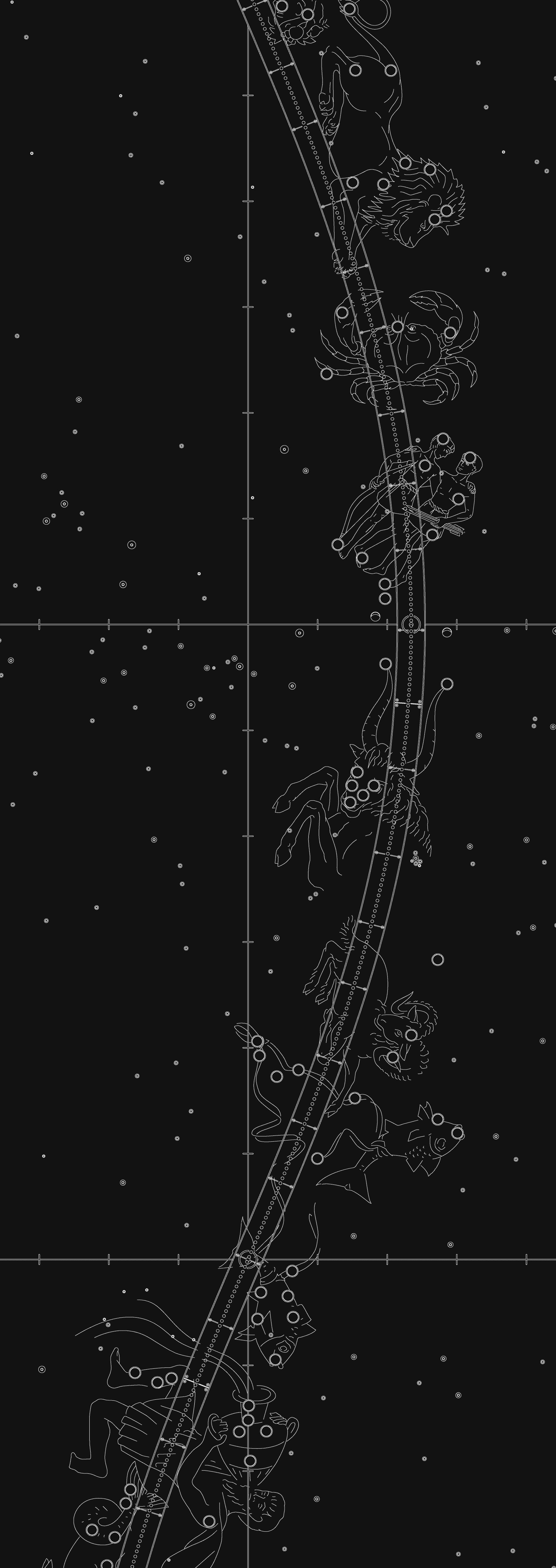
Event/Eclipse Timeline
| 6:24 p.m. | Penumbral eclipse begins (The Moon is still below the horizon) |
| 7:18 p.m. | Official time of moonrise on southeastern horizon |
| 7:25 p.m. | Broadcast begins |
| 7:34 p.m. | Umbral eclipse begins |
| 8:15 pm. | Eclipse visible from the Observatory’s lawn |
| 9:13 p.m. | Greatest eclipse (96 percent of Moon in shadow) |
| 10:52 p.m. | Umbral eclipse ends |
| 11:00 p.m. | Griffith Observatory grounds close to the public |
| 12:02 a.m. | Penumbral eclipse ends |
| 12:05 a.m. | Broadcast ends |

Watch Live!
What is a Partial Lunar Eclipse?
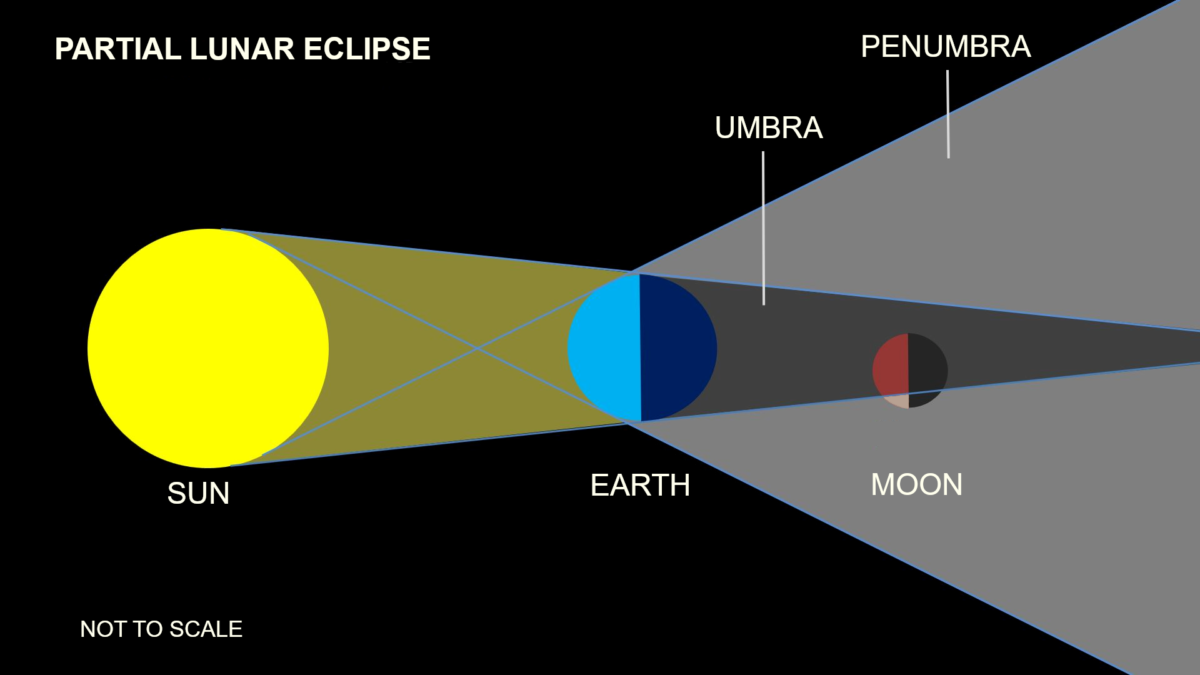
A partial lunar eclipse may be seen when the Moon passes partway through the dark, inner shadow, or umbra, cast by the Earth. On August 27-28, 96 percent of the round disk of the full Moon slowly moves into the dark shadow, and the bright Moon grows dim. The Moon does not, however, become completely dark. Instead, it usually glows with a copper or red color, a result of sunlight being filtered and bent through the Earth’s atmosphere (much like a sunset).
The next total lunar eclipse visible in Los Angeles will occur on June 25, 2029.
To learn more about eclipses, please visit our eclipse info page.
Advice for Viewing
If skies are clear, the eclipse will be visible to the unaided eye from anywhere in southern California. It is safe to view a lunar eclipse without any eye protection. You do not need a telescope (or be at the Observatory) to see a lunar eclipse. Just go outside and look up to the southeast. Key moments to watch for will be when the Moon rises, the moment of greatest eclipse, and the end of the umbral eclipse.