Travel Program
Flagstaff: Ancient Craters & Dark Skies
An immersive long weekend under truly dark skies in the first International Dark Sky City
5 days, 4 nights | April 7 – 11, 2027 | $2,700
How to Register
To register for the Travel Program’s trip to Flagstaff, Arizona in April 2027, please complete this registration form.
In order to join us in Flagstaff, you must complete this form no later than November 11, 2026. Registration closes that day, or when the trip reaches capacity.
For any inquiries regarding this trip, please contact Griffith Observatory Foundation at info@griffithobservatoryfoundation.org.
For more information on the Travel Program, please visit obs.la/travel.
Trip details, itineraries, and pricing are provided in good faith based on current information and are subject to change.

About This Trip
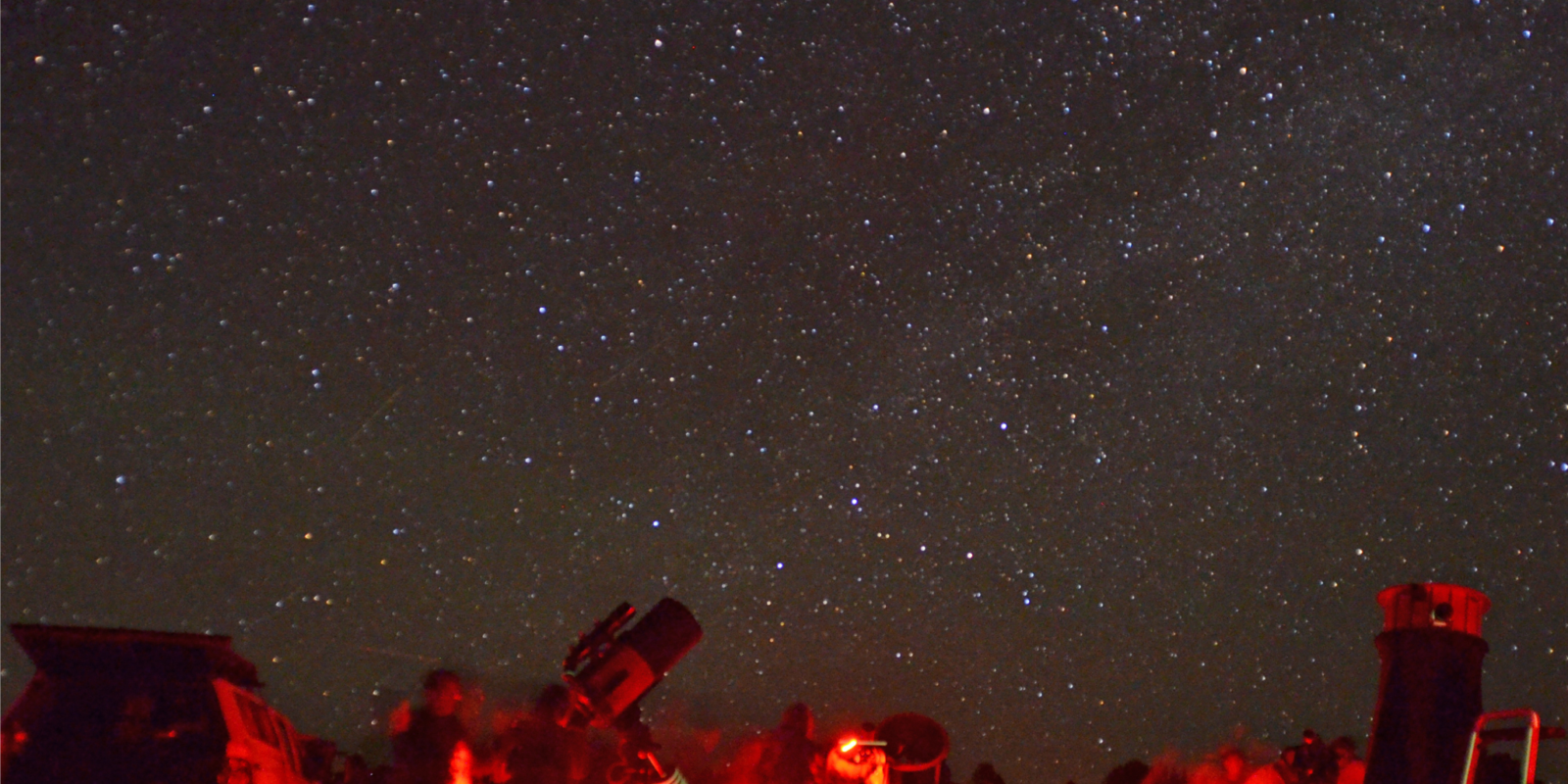
In Flagstaff, Arizona, step into the splendor of a night sky few places on Earth can rival.
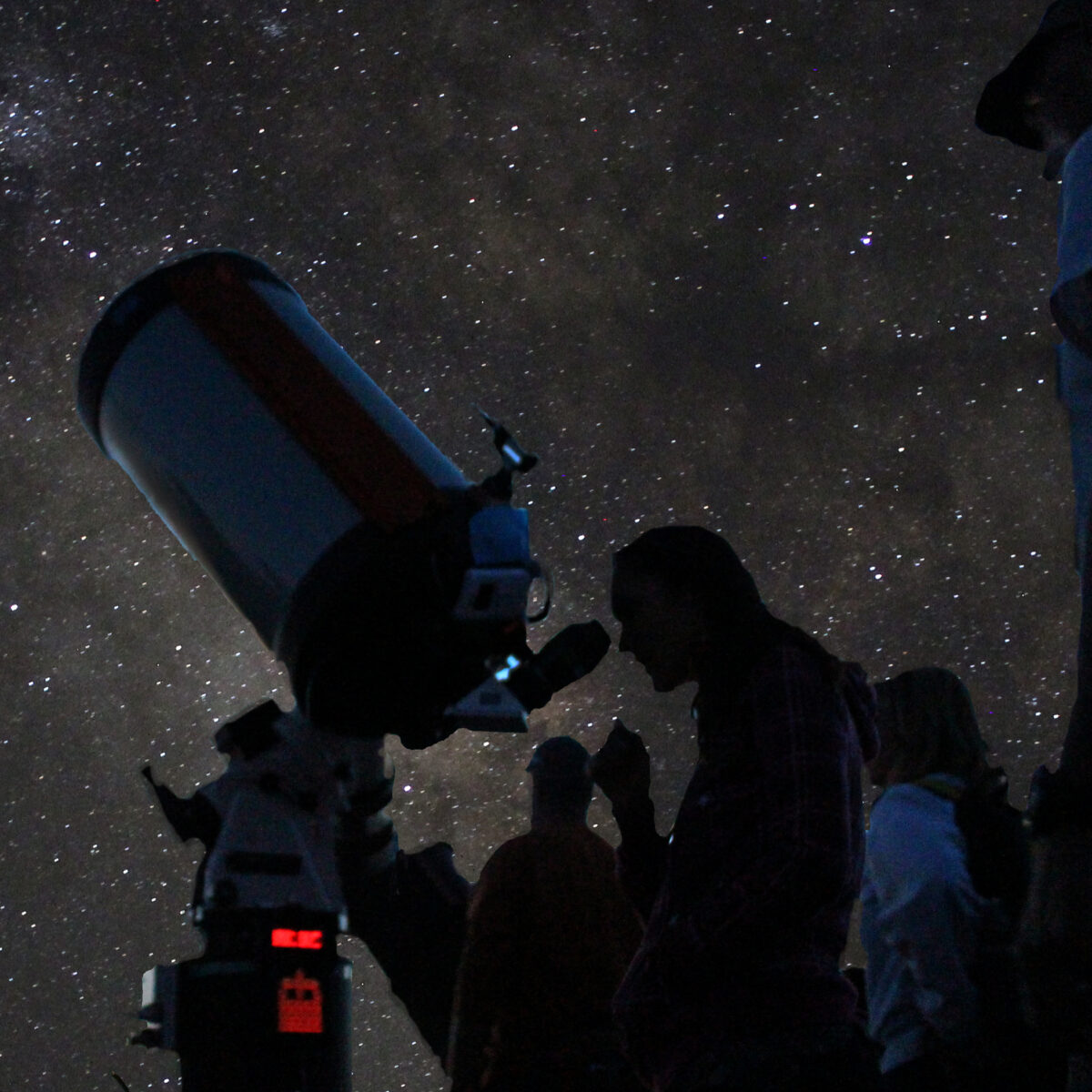
Protected from the glow of city lights, Flagstaff’s exceptional darkness reveals a dazzling expanse of stars and celestial objects. The result is world-class opportunities for astronomical observation at 7,000 feet above sea level.
Visit the telescope that discovered Pluto, uncover centuries of Indigenous history rooted in the region, and explore an ancient volcanic landscape shaped in part by a meteorite impact.
Itinerary Highlights
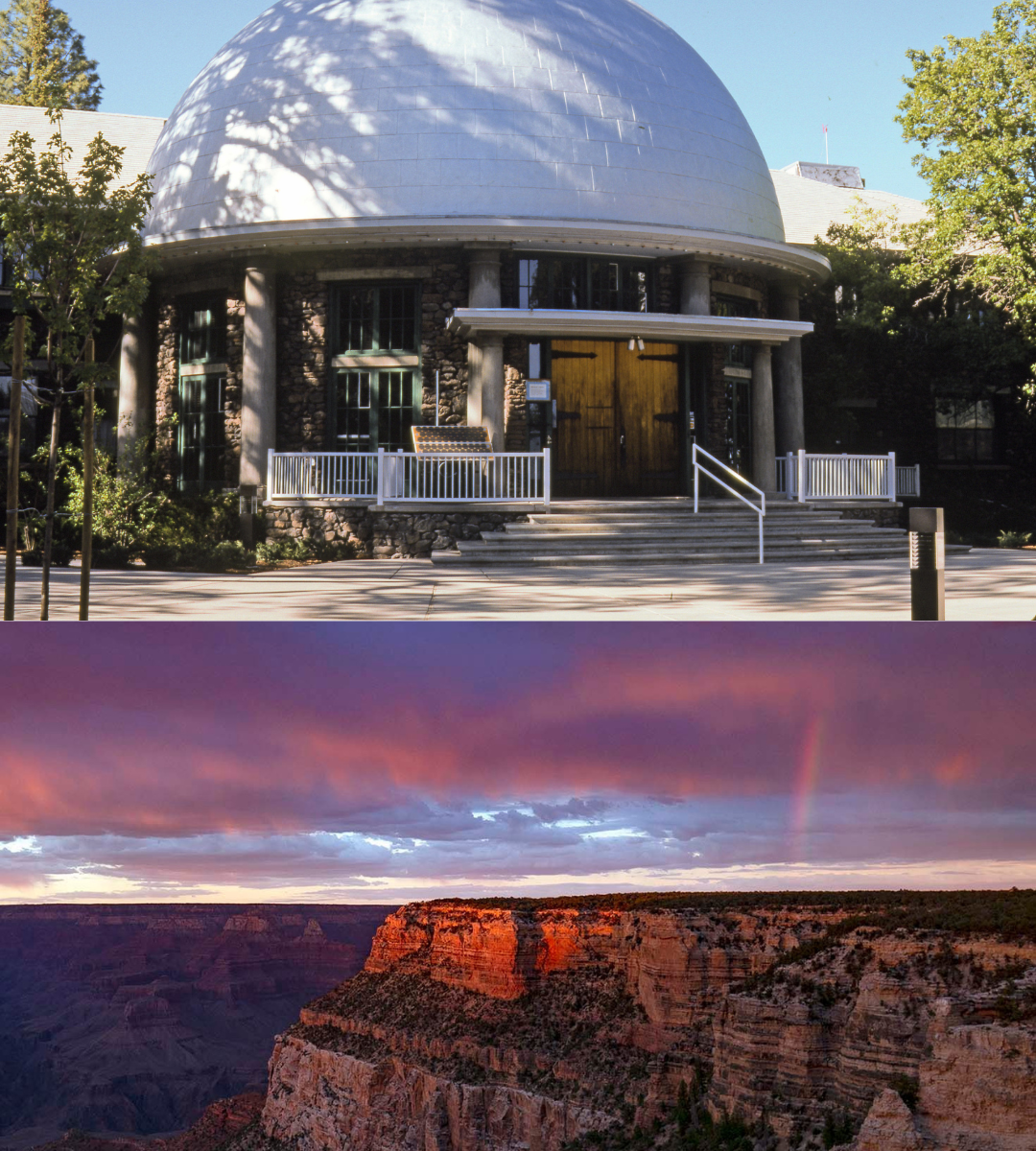
- Grand Canyon National Park
- Meteor Crater
- Sunset Crater volcano
- Wupatki National Monument’s ancestral Pueblo sites
- An evening at Lowell Observatory, including the Pluto Discovery Telescope and the open-air Dark Sky Planetarium

Trip Expert
Vanessa Alarcon
Astronomical Observer at Griffith Observatory
Vanessa Alarcon began working at Griffith Observatory in 2015 as a part-time Telescope Demonstrator and became the full-time Astronomical Observer in 2023.
As the Astronomical Observer, Vanessa is the steward to all telescopes and observational instruments at Griffith Observatory, including the optics in the Gottlieb Transit Corridor. She is also co-host of Griffith Observatory’s monthly Sky Report. In 2024, she pioneered the Observatory’s livestream broadcasting of the total solar eclipse.
Vanessa is an experienced dark-sky chaser who has led astronomy trips throughout the United States, including Flagstaff, Death Valley, and Zion National Park, to observe stars, meteor showers, and celestial events. She also planned and led a two-week trip to Casper, Wyoming for the 2017 total solar eclipse.
Pricing & Details
Program Dates: April 7 – 11, 2027
Program Cost: $2,700
The program is structured as a cost-based travel experience. The cost of each trip per participant includes a tax-deductible $1,500 charitable contribution, generating critical unrestricted support for Griffith Observatory. Griffith Observatory Foundation will provide participants with a written acknowledgment of this charitable contribution.
Your registration is not simply a trip fee—it is an investment in advancing our mission of service and public astronomy for everyone.
Accommodation: Little America Hotel
Capacity: Limited to approximately 30-40 guests
|
|
|
|
Wednesday, April 7, 2027
Arrive in Flagstaff and transfer to Little Hotel America. Guests are given time to settle in and acclimate to elevation before Welcome Reception (location TBC).
Guests will gather for light refreshments and conversation with the opportunity to meet fellow travelers, Observatory staff, and local experts who will lead the weekend’s experiences. The reception offers a relaxed introduction to the journey ahead.
Each guest will receive a curated welcome packet with the full weekend itinerary, speaker information, and key logistics, ensuring a seamless and enriching experience from arrival through departure.
Thursday, April 8, 2027
This morning, we depart Flagstaff for a guided excursion to Grand Canyon National Park, exploring some of the most iconic viewpoints along the South Rim.
Our journey includes a stop at the historic Desert View Watchtower, where sweeping panoramic vistas stretch across the canyon and the Colorado River corridor. In addition to its architectural significance, the Watchtower offers rich cultural context tied to Indigenous heritage and early park history.
Midday, we’ll pause for lunch at one of the South Rim’s historic lodges or dining venues within Grand Canyon National Park (TBC).
This relaxed break will provide time to recharge, take in the canyon views, and reflect on the morning’s exploration before continuing our scenic rim loop.
A Dark-Sky event is recommended for the evening (schedule and location TBC).
Friday, April 9, 2027
Our first stop is Sunset Crater Volcano National Monument. As we depart Flagstaff, guests will enjoy an engaging talk during the drive, connecting the day’s explorations in astronomy, geology, and cultural history. Topics will include volcanic activity, the region’s Indigenous knowledge systems, and how early peoples used the Sun, Moon, and stars to guide daily life and agricultural practices.
At Sunset Crater Volcano National Monument, guests will walk among ancient lava flows while observing volcanic processes, landscape evolution, and the interplay between Earth and sky.
Next, we continue to Wupatki National Monument for a curated tour of ancestral Pueblo sites. Here, we’ll explore how celestial cycles influenced architecture, agriculture, and daily life. We will then return to Flagstaff for lunch and a brief rest period.
We conclude the day with a special evening at Lowell Observatory, exploring Flagstaff’s rich legacy of astronomical discovery and its enduring contributions to our understanding of the universe.
Guests will enjoy dinner at the observatory, an up-close look at the historic Pluto Discovery Telescope and Clark Telescope, featured in Signs of Life, a special observing experience and an outdoor planetarium experience beneath Flagstaff’s exceptional dark skies, The evening blends the region’s remarkable scientific heritage and the wonders of the cosmos.
Saturday, April 10, 2027
Guests will travel to Meteor Crater for a behind-the-scenes experience examining impact dynamics, shock metamorphism, ejecta distribution, and the historical role the crater has played in validating impact cratering as a dominant geologic process across the solar system. The site’s influence on Apollo astronaut training and planetary analog research will be discussed within a broader exploration framework. Lunch is available on site.
After Meteor Crater, guests will visit the USGS Astrogeology Science Center, a public facility renowned for its planetary research. Our group will enjoy a curated experience with expert guides, offering insights and context tailored to our itinerary. Highlights include:
- Planetary cartography and surface mapping of the Moon, Mars, and other worlds
- Remote sensing and mission support for rover and orbital exploration
- Analysis of terrestrial impact sites to understand planetary surfaces
- Integration of field geology, orbital datasets, and contemporary mission planning
That evening, celebrate International Dark Sky Week with a curated tasting and stargazing experience in Flagstaff’s historic Heritage Square. The festivities begin at sunset with selected heavy hors d’oeuvres and specialty drinks themed to dark skies. As twilight deepens, the Square transitions to warm amber lighting as overhead lamps are doused in recognition of dark-sky principles. Guests will enjoy:
- Laser-guided tours of the night sky
- Close-up telescopic views of Mars, Jupiter, and additional celestial objects
- Informal conversations around light pollution, dark-sky policy, and community stewardship
Sunday, April 11, 2027
Guests enjoy a relaxed morning before transfers to Flagstaff Pulliam Airport. The program concludes with a facilitated reflection and recap of shared observations, highlights, and collected imagery.